


-

Add: HeBei ShengShi HongBang Cellulose Technology CO.,LTD.
-

Email
13180486930@163.com -

CONTACT US
+86 13180486930
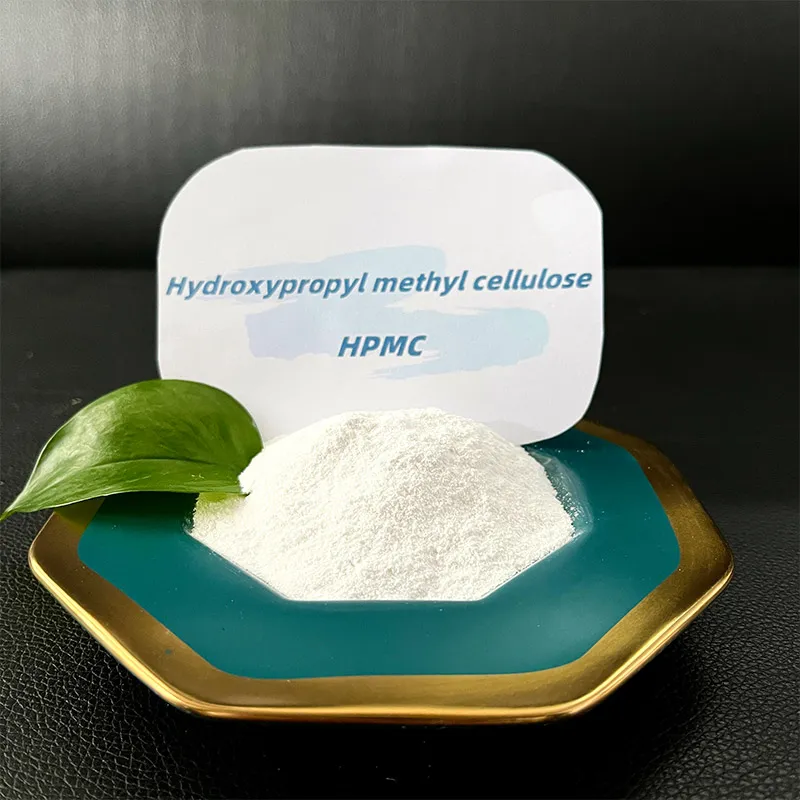
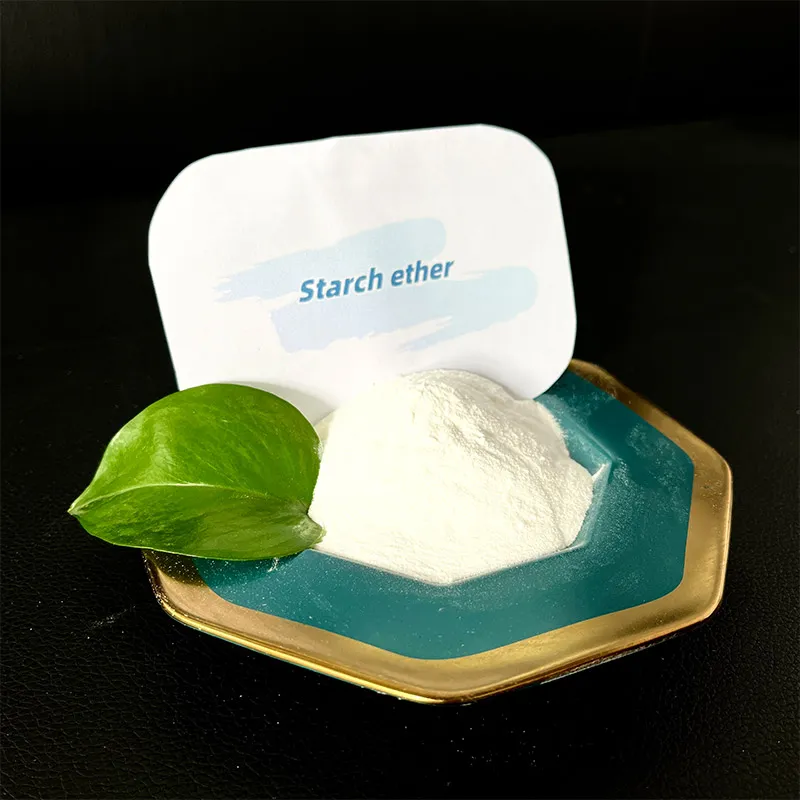


The formulation of high-performance cement-based renders and plasters demands precision-engineered additives. Industrial-scale manufacturers increasingly rely on specialized cellulose ethers like MHEC cellulose to achieve critical performance benchmarks. As leading Methocel suppliers expand their technical portfolios, bulk procurement of hydroxy methyl propyl cellulose derivatives becomes strategically vital for render producers. These materials not only enhance fundamental properties like workability and adhesion but also create formulation synergies with complementary products such as hpmc tile adhesive . For wholesalers and large-volume manufacturers, understanding the technical nuances between HPMC cellulose and MHEC cellulose unlocks significant operational advantages across production lines. This article examines how bulk integration of these cellulose ethers transforms render and plaster manufacturing economics. Technical Superiority of MHEC Cellulose in Render Applications MHEC cellulose delivers distinct performance advantages in cementitious render systems compared to standard HPMC cellulose . Its molecular structure provides exceptional water retention capabilities that maintain optimal hydration conditions throughout the curing process. This characteristic proves particularly valuable in large-scale plaster applications where extended open time prevents premature drying and minimizes shrinkage cracks. When sourcing from specialized Methocel suppliers , bulk buyers gain access to MHEC cellulose with enhanced compatibility profiles that outperform conventional hydroxy methyl propyl cellulose in demanding exterior applications. The material demonstrates superior resistance to temperature fluctuations and alkaline environments inherent in cement matrices. Render manufacturers frequently leverage these properties when developing high-performance systems requiring consistent workability under varying climatic conditions. The technical synergy between MHEC cellulose and common hpmc tile adhesive components enables formulators to create unified product lines with shared raw material inventories. Strategic Procurement from Specialized Methocel Suppliers Establishing partnerships with technical-grade Methocel suppliers represents a critical success factor for render manufacturers operating at scale. Reputable suppliers provide comprehensive batch documentation covering essential parameters including viscosity profiles, ash content analysis, and pH stability reports. These certifications ensure consistent performance across production batches – a fundamental requirement for industrial-scale render manufacturing. Progressive Methocel suppliers offer customized substitution levels tailored to specific climatic challenges, enabling formulators to optimize renders for regional application conditions. Container-load logistics solutions facilitate cost-efficient procurement strategies for bulk quantities of both HPMC cellulose and MHEC cellulose . For enterprises manufacturing both hpmc tile adhesive and cement renders, consolidated sourcing through single-source Methocel suppliers significantly streamlines quality assurance protocols. Technical dossiers documenting MHEC cellulose performance in sustainable plaster formulations further assist bulk buyers in meeting evolving environmental standards across global markets. Formulation Synergies Between Renders and Hpmc Tile Adhesives Significant operational efficiencies emerge when manufacturers leverage cellulose ether compatibility across different product categories. The chemical foundation shared between hpmc tile adhesive formulations and cement renders creates natural material synergies. Hydroxy methyl propyl cellulose specified for adhesive production often demonstrates excellent performance in base-coat render applications, particularly where high water retention capabilities are required. The distinctive rheological properties of MHEC cellulose provide valuable sag resistance in both vertical tile installations and thick plaster applications. Bulk procurement managers capitalize on these technical overlaps by negotiating volume-based agreements with Methocel suppliers covering multiple product lines. This integrated approach to HPMC cellulose and MHEC cellulose acquisition reduces testing overhead and simplifies raw material storage logistics. The adaptability of hydroxy methyl propyl cellulose across product categories enables manufacturers to maintain flexible production scheduling while minimizing inventory complexity. Bulk Optimization Strategies for Hpmc Cellulose Ethers Industrial-scale optimization of hydroxy methyl propyl cellulose procurement requires multi-faceted strategic planning. Technical consultation with Methocel suppliers ensures precise grade selection aligned with regional climate challenges and application requirements. Progressive manufacturers implement inventory hybridization strategies that strategically blend HPMC cellulose for interior applications with premium MHEC cellulose for exterior systems. This balanced approach achieves optimal cost-performance ratios across product portfolios. Forward-looking procurement specialists prioritize cellulose ethers with compliance documentation for emerging regulatory frameworks, future-proofing production capabilities. The consolidation of hpmc tile adhesive and render raw material requirements generates substantial economies of scale during transportation and quality verification processes. Technical collaboration with Methocel suppliers facilitates development of customized cellulose ether blends that address specific manufacturing challenges while maintaining batch-to-batch consistency across bulk shipments. FAQs: H pmc Cellulose Ethers in Industrial Construction Materials What distinguishes MHEC cellulose performance from HPMC cellulose in renders? MHEC cellulose demonstrates superior performance stability in high-alkaline cement environments compared to standard HPMC cellulose , providing more consistent water retention and workability maintenance throughout the application window. This difference becomes particularly significant in challenging climatic conditions. Do Methocel suppliers provide technical support for regional formulation challenges? Reputable Methocel suppliers offer comprehensive technical consultation services, recommending specific hydroxy methyl propyl cellulose grades and substitution levels optimized for local temperature ranges, humidity conditions, and application methodologies. How does MHEC cellulose integrate with polymer-modified adhesive formulations? MHEC cellulose demonstrates excellent compatibility with polymer-modified systems commonly used in hpmc tile adhesive , enhancing cohesion properties without interfering with critical setting mechanisms or final bond strength development. What procurement advantages exist for bulk MHEC cellulose acquisition? Leading Methocel suppliers provide dedicated logistics support for container-scale shipments of MHEC cellulose , creating significant economies of scale while ensuring consistent material availability for continuous render production operations. How does hydroxy methyl propyl cellulose selection impact plaster application efficiency? Properly specified hydroxy methyl propyl cellulose significantly extends the workable application window for plasters, enabling larger continuous sections to be finished before setting occurs, thereby optimizing labor utilization on major construction projects.
- 40000tons

Production
- 20+years

Experience
- 5000+㎡

Acreage

-
Hydroxypropyl methylcellulose (HPMC), a versatile pharmaceutical excipient, plays a crucial role in the formulation of tablets. Its unique properties not only aid in the manufacturing process but also enhance the quality and efficacy of the final product. As an authoritative entity in the pharmaceutical industry, my aim is to shed light on the significance of HPMC in tablet production, through personal experiences, professional insights, and a genuine understanding of its pivotal role. Tablets remain one of the most preferred dosage forms due to their convenience and the ability to deliver precise dosages. The quest for a successful tablet formulation hinges on the selection of appropriate excipients, among which HPMC stands out due to its multifunctional capabilities. Having spent over a decade in pharmaceutical development, the adoption of HPMC marked a turning point in the way tablet formulations were approached. HPMC is primarily used as a binder, film former, and controlled release agent—functions that are indispensable in tablet formulation. Its molecular structure, characterized by methoxyl and hydroxypropyl groups, allows it to exhibit hydrophilicity and gel-forming properties. This ensures that tablets aren't just mechanically robust but also capable of precise drug release profiles. From an expertise standpoint, one of the key challenges in tablet production is ensuring that tablets disintegrate and dissolve at the desired rate. The gel layer formed by HPMC on contacting aqueous environments effectively modulates drug release. In numerous formulations I've overseen, HPMC has been instrumental in developing sustained-release tablets, ensuring the therapeutic agent is released over an extended period. This not only improves patient compliance by reducing dosing frequency but also enhances the therapeutic effectiveness of the drug. Moreover, HPMC also serves as an excellent film-forming agent. In a project involving enteric-coated tablets, the inherent film-forming capabilities of HPMC were harnessed to ensure the active ingredient was only released in the intestine, bypassing the acidic environment of the stomach. This protective measure helps in preserving the integrity of the drug substance, especially for acid-sensitive compounds. hpmc used in tablet The expertise required in understanding the rheological properties of HPMC solutions is paramount for manufacturing high-quality tablets. Through my professional journey, the methodical optimization of HPMC concentration facilitated the production of tablets with desired mechanical strength and disintegration properties. Such adjustments ensure that the tablets don't break or crumble under pressure, yet dissolve at the appropriate rate once ingested. When formulated correctly, tablets using HPMC have consistently demonstrated high bioavailability. Through various bioequivalence studies, HPMC's role in ensuring consistent plasma concentrations of the drug has been validated. This directly attests to the trustworthiness and reliability of HPMC as a superior pharmaceutical excipient. In a regulated industry like pharmaceuticals, the authoritativeness of excipient selection cannot be overstated. Regulatory bodies such as the US FDA and European Medicines Agency frequently demand excipients with a proven record of safety and efficacy. HPMC, with its extensive clinical use and established safety profile, fulfills this criterion perfectly. In numerous regulatory submissions throughout my career, the inclusion of HPMC has never posed significant challenges, underscoring its acceptance and reliability. Lastly, my experience also highlights the scalability offered by HPMC in tablet manufacturing . As demand increases, the transition from pilot-scale batches to full-scale production remains seamless with HPMC. Its consistent performance across different manufacturing scales ensures reproducibility and uniformity—critical factors that define the quality of pharmaceutical products. In conclusion, Hydroxypropyl methylcellulose is more than just an excipient. It is a cornerstone in the development of effective, reliable, and high-quality tablets. Through its multifunctional properties and reputable track record, HPMC emerges as a vital component in pharmaceutical formulations, driving advancements in drug delivery and therapeutic efficacy. Its use not only embodies expertise and authority but also promises a level of safety and trust that is indispensable in the health sector.
-
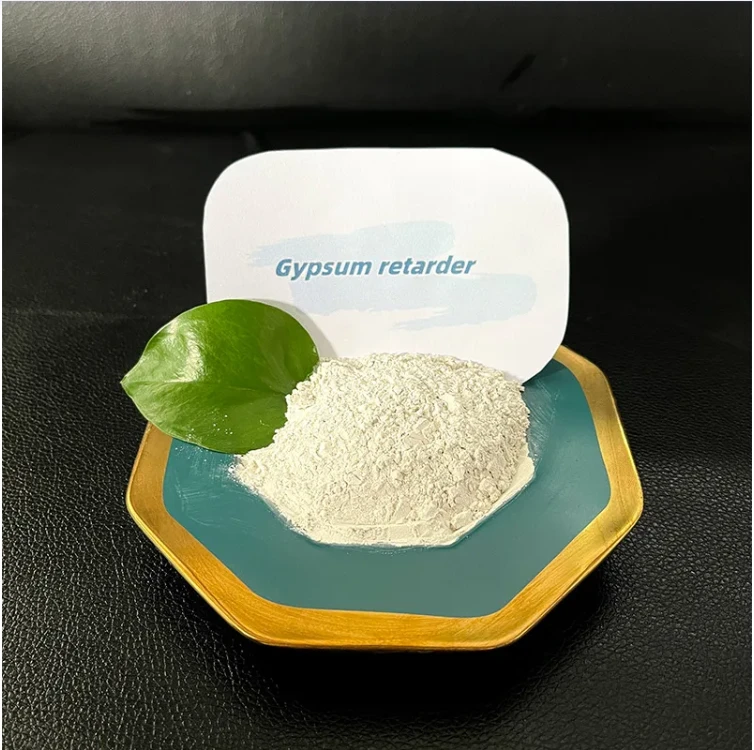
Understanding Gypsum-Based Chemical Additives Applications and Benefits Gypsum, a naturally occurring mineral composed of calcium sulfate dihydrate, has been used in construction and agriculture for centuries. However, its role extends beyond these traditional usages, particularly when combined with various chemical additives. This article delves into gypsum-based chemical additives, their applications, and the benefits they offer across different industries. What are Gypsum-Based Chemical Additives? Gypsum-based chemical additives are substances mixed with gypsum to enhance its performance and functionality. These additives can vary significantly in composition, including organic and inorganic compounds. The primary goal of these additives is to modify the properties of gypsum, making it more versatile and effective for specific applications. Some common additives include retarders, accelerators, and plasticizers. Applications in Construction In the construction industry, gypsum is a critical material used in the production of drywall, plaster, and other building materials. By incorporating chemical additives, manufacturers can improve the mechanical properties and setting times of gypsum products. 1. Retarders These additives slow down the setting time of gypsum, giving builders more time to work with the material before it hardens. This is particularly useful in large projects where extensive application is required. 2. Accelerators On the other hand, accelerators speed up the setting time of gypsum products. This feature is beneficial in situations where quick drying is needed, such as in repair work or time-sensitive projects. . Benefits in Agriculture гипс удаашруулагч химийн Gypsum-based chemical additives are not limited to construction; they also have significant applications in agriculture. Gypsum can improve soil structure, drainage, and aeration, while the addition of certain chemical agents can further enhance these effects. 1. Soil Amendment Gypsum helps to loosen compacted soil and improves water infiltration. When combined with organic matter or specific chemical additives, gypsum can significantly boost soil fertility. 2. Nutrient Management The addition of gypsum can help manage toxic levels of sodium in the soil, allowing crops to access essential nutrients more effectively. This is particularly beneficial in saline soil environments. 3. pH Regulation Some gypsum-based additives can help regulate soil pH, fostering an ideal environment for crops to thrive. This is essential for optimizing crop yield and quality. Environmental Impact and Sustainability In recent years, the emphasis on sustainable practices in both construction and agriculture has led to increased interest in gypsum-based chemical additives. These materials are environmentally friendly, as they are derived from natural sources and can enhance the sustainability of projects. For instance, the use of gypsum can help reduce waste in construction by allowing for the recycling of materials. In agriculture, gypsum can mitigate the adverse effects of soil salinity and improve the overall health of the ecosystem. Conclusion Gypsum-based chemical additives play a crucial role in enhancing the properties and functionality of gypsum in various applications. From improving construction materials to addressing agricultural challenges, these additives contribute to greater efficiency, effectiveness, and sustainability. As industries continue to seek innovative solutions to meet demands, the importance of gypsum and its chemical enhancements will undoubtedly grow. Understanding and leveraging these materials can pave the way for more sustainable practices, benefiting both the environment and economies worldwide. In conclusion, the diverse applications of gypsum-based chemical additives illustrate their significance in modern industries. Their ability to improve material performance while promoting sustainability showcases the potential for these natural minerals to address contemporary challenges. As research and development continue in this field, we can expect to uncover even more benefits, further solidifying gypsum’s role as a cornerstone material in construction and agriculture.
advantages
-

200000 Viscosities
Excellent product
We can produce pure products up to 200,000 viscosities
-

40000 tons
High yield
We don’t stop production all year round, and the annual output can reach 40,000 tons
-

24 hours
Quality service
We provide 24-hours online reception service, welcome to consult at any time
———— Inquiry Form
Schedule A services


-
 nylon_is_a_man_made_fiber
Oct . 25, 2025
Insulation materials represent a critical frontier in sustainable construction, balancing thermal ef -
 serat_polipropilen_untuk_beton
Oct . 25, 2025
Hydroxypropyl methylcellulose (HPMC) is a versatile polymer widely used in the pharmaceutical, food, -
 hydroxypropyl_methylcellulose_buy
Oct . 25, 2025
Fiber reinforced polypropylene (FRP) represents a groundbreaking advance in material science, unique


